
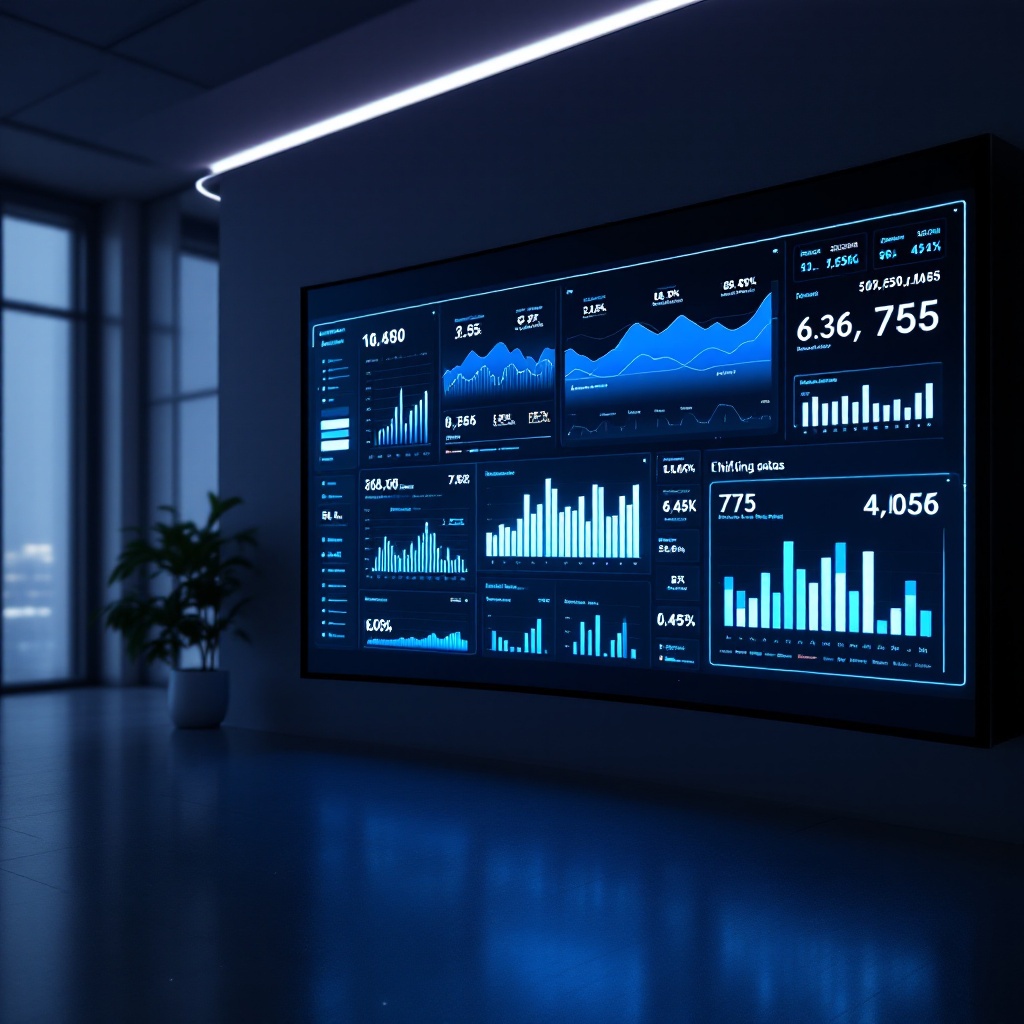
Real-time campaign optimization is no longer a competitive advantage reserved for enterprise brands with large budgets. Today, businesses of every size are adopting live, data-driven campaign management to eliminate guesswork and drive results that static strategies simply cannot match. SIA Digital AI Hub, based in Vancouver, BC, works with businesses across North America to implement AI-powered optimization frameworks that respond to market signals as they happen.
The shift is significant. Traditional campaign management relied on weekly or monthly performance reviews, meaning wasted spend could accumulate for days before anyone intervened. In a landscape where audience behavior, bidding costs, and content performance shift by the hour, that lag is no longer acceptable.
Why Static Campaign Management Falls Short
For years, marketing teams operated on a simple rhythm: launch a campaign, wait for data to accumulate, review results, make adjustments, repeat. This approach made sense when digital advertising was simpler and competition was lower. Today, it creates a structural disadvantage.
Audiences scroll faster, platforms update their algorithms more frequently, and costs-per-click can swing dramatically within a single day. A campaign that performed well on Monday morning may be burning through budget inefficiently by Tuesday afternoon — and without real-time visibility, that inefficiency is invisible until the next scheduled review.
Static management also struggles with opportunity capture. When a piece of content gains unexpected traction, a reactive team cannot amplify it fast enough. By the time the weekly report surfaces the data, the window has often closed.
What Real-Time Optimization Actually Means
Real-time campaign optimization refers to the continuous monitoring, testing, and adjustment of campaigns using live performance data. Rather than waiting for a reporting cycle to complete, automated systems and human strategists work together to respond to signals as they emerge.
In practice, this includes adjusting bid strategies based on conversion rate shifts, pausing underperforming ad variants automatically, reallocating budget toward high-performing audience segments mid-flight, and updating creative elements based on engagement signals. It also means integrating data from multiple platforms — paid search, social media, email, and organic — into a unified view so that decisions reflect the full picture.
Interactive Advertising Bureau measurement standards provide frameworks that professional digital marketers use to structure this kind of cross-channel attribution. Without consistent measurement standards, real-time data becomes noise rather than signal.
The Role of AI in Making Optimization Scalable
Manual real-time optimization is possible, but it is not scalable. A human team can monitor a handful of campaigns simultaneously. An AI-powered system can track thousands of variables across dozens of campaigns simultaneously, flagging anomalies, suggesting adjustments, and executing rule-based changes within seconds.
This is the core value that AI brings to campaign management. Machine learning models identify patterns in performance data that would take human analysts hours to surface. They can predict which audience segments are likely to convert based on behavioral signals, then shift budget allocation proactively rather than reactively.
SIA Digital AI Hub’s AI-powered digital marketing services are built on exactly this model — combining proprietary automation tools with 15 years of campaign strategy expertise. The result is a system that works around the clock, not just during business hours.
Key Pillars of an Effective Real-Time Optimization Strategy
Building a real-time optimization capability requires more than access to a dashboard. It requires the right infrastructure, processes, and expertise working together.
The first pillar is unified data integration. Campaign data from Google Ads, Meta, LinkedIn, email platforms, and organic channels must feed into a single analytics environment. Siloed data prevents the cross-channel visibility that real-time decisions require.
The second pillar is clear performance benchmarks. Real-time optimization is only meaningful when teams know what “good” looks like. Setting target cost-per-acquisition, return on ad spend, and engagement thresholds gives the system something to optimize toward.[/P>
The third pillar is automated rules combined with human oversight. Fully automated systems can execute fast, but human strategists provide the contextual judgment that algorithms lack — particularly when external events, brand considerations, or audience sentiment shift in ways the data has not yet captured.
The fourth pillar is continuous creative testing. Ad creative is one of the highest-impact variables in campaign performance. Real-time optimization should include systematic A/B and multivariate testing of headlines, visuals, calls to action, and landing page experiences.
Learn more about SIA Digital AI Hub’s approach to data-driven marketing strategy and how this methodology has been applied across industries over the past 15 years.
How Businesses Can Start Implementing This Standard
The transition from static to real-time campaign management does not have to happen overnight. A phased approach reduces risk while building capability progressively.
Begin with audit and consolidation. Before optimization can happen in real time, businesses need to understand what data they have, where it lives, and whether it is being measured consistently. This often reveals gaps — mismatched conversion tracking, inconsistent UTM parameters, or attribution models that undercount certain channels.
Next, establish automated alerting. Even without a full AI system in place, setting up automated alerts for significant performance deviations — a sudden spike in cost-per-click, a drop in conversion rate, an ad being disapproved — allows teams to respond faster than scheduled reviews allow.
Then layer in automation incrementally. Start with bid adjustments and budget reallocation rules. Once those are stable, expand to creative rotation rules and audience segment adjustments. The goal is to let automation handle repeatable decisions so human strategists can focus on higher-level thinking.
Google’s Think with Google automation resources offer additional context on how leading marketers are structuring this kind of progressive automation adoption.
Measuring the Impact of Real-Time Optimization
The proof of any optimization strategy is in the measurable outcomes it produces. Businesses that move from static to real-time management typically see improvements in return on ad spend, reductions in cost per acquisition, and faster scaling of campaigns that demonstrate early success signals.
Equally important is what they stop experiencing: budget allocated to audiences that have stopped converting, creative fatigue that goes unaddressed for weeks, and missed opportunities when high-performing content fails to receive amplified investment in time.
Explore SIA Digital AI Hub’s full range of digital marketing solutions and discover how real-time optimization is already delivering results for businesses ready to make the shift.
The standard for campaign management is changing. Businesses that treat real-time optimization as a future ambition rather than a current priority are already falling behind. The tools, frameworks, and expertise to make this shift exist today — and the competitive cost of waiting grows with every reporting cycle that passes without action.
To learn how your campaigns can benefit from real-time optimization, contact SIA Digital AI Hub at 604-518-6486 or visit our contact page to schedule a consultation with our team.
*This information provides general guidance on digital marketing strategy and is not a substitute for professional consultation specific to your business situation. Results vary based on industry, budget, and campaign complexity.*
Frequently Asked Questions
What is real-time campaign optimization and how is it different from traditional campaign management?
Real-time campaign optimization uses live performance data and automated tools to adjust campaigns continuously, rather than waiting for weekly or monthly reviews to make changes. This means budgets shift, bids adjust, and underperforming ads are paused within hours rather than days.
Do small businesses have the resources to implement real-time optimization?
Yes — with the right tools and a phased approach, businesses of all sizes can adopt real-time optimization starting with automated alerts and basic bid rules, then expanding as capabilities grow. The key is starting with consolidated data and clear performance benchmarks.
How does AI improve campaign optimization compared to manual management?
AI systems can monitor thousands of variables across multiple campaigns simultaneously, identifying performance patterns and executing rule-based adjustments in seconds — a scale that human teams cannot match manually. This frees strategists to focus on creative decisions and high-level strategy.
How long does it take to see results from real-time campaign optimization?
Many businesses see measurable improvements in cost efficiency and conversion rates within the first few weeks of implementing real-time monitoring and automated adjustments, though the full benefit compounds over time as the system learns from accumulated performance data.
What platforms does real-time optimization apply to?
Real-time optimization applies across all major digital advertising channels including Google Ads, Meta, LinkedIn, programmatic display, and email — and is most powerful when data from all these platforms feeds into a unified analytics environment for cross-channel decision-making.




No comment